Artificial intelligence and machine learning have emerged as transformative forces in the automotive industry, fundamentally changing how vehicles are designed, manufactured, and operated. From autonomous driving systems to predictive maintenance algorithms, AI technologies are enabling capabilities that were once considered science fiction.
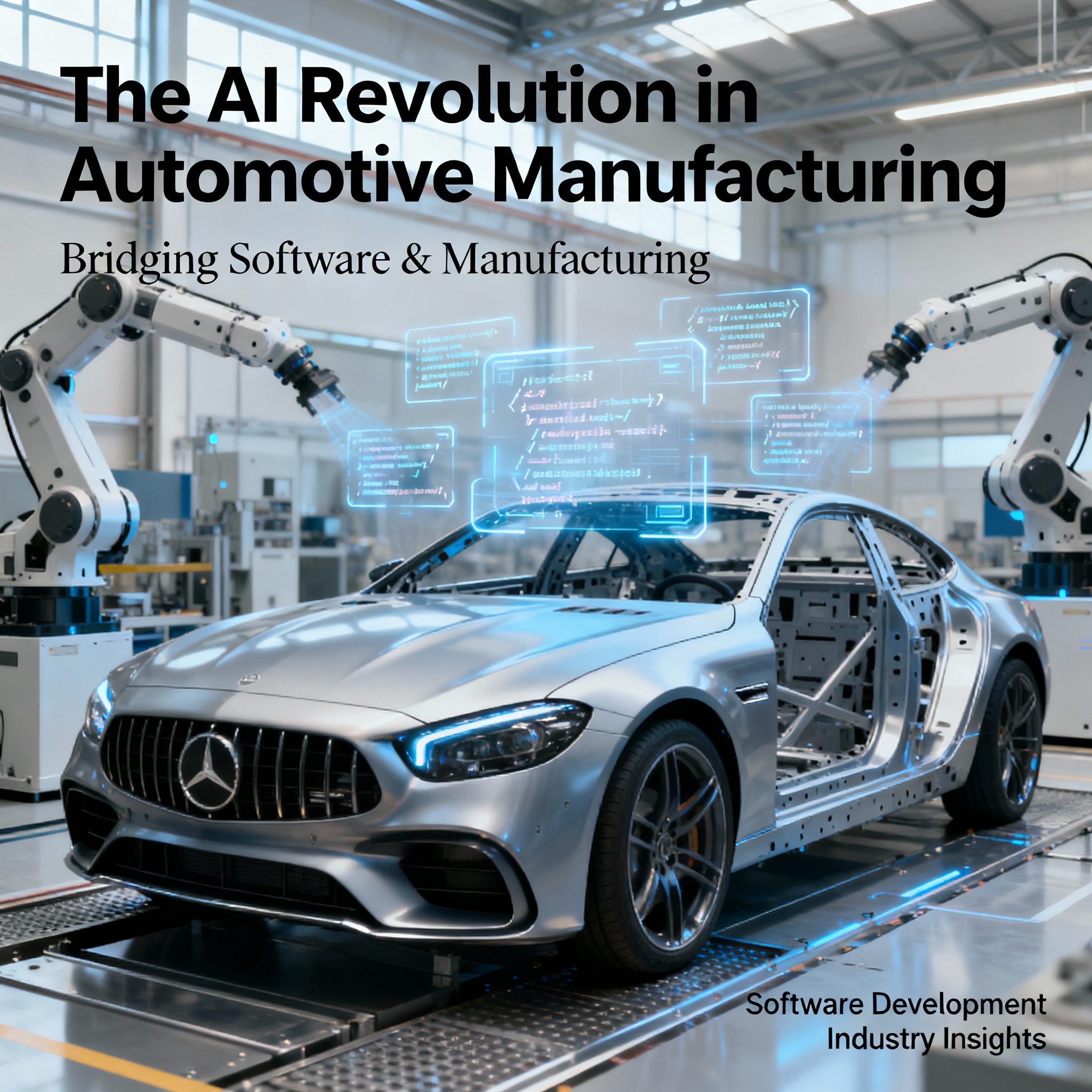
The AI Revolution in Automotive Manufacturing
Modern automotive manufacturing facilities are increasingly leveraging AI and machine learning to optimize production processes, improve quality control, and reduce costs. Computer vision systems powered by deep learning algorithms can detect defects with greater accuracy than human inspectors, while predictive analytics help manufacturers anticipate equipment failures before they occur.
Machine learning models analyze vast amounts of production data to identify patterns and optimize assembly line efficiency. These systems can adjust manufacturing parameters in real-time, ensuring consistent quality while minimizing waste and energy consumption. The result is a more sustainable and economically efficient production process that benefits both manufacturers and consumers.
Autonomous Driving: The Ultimate AI Application
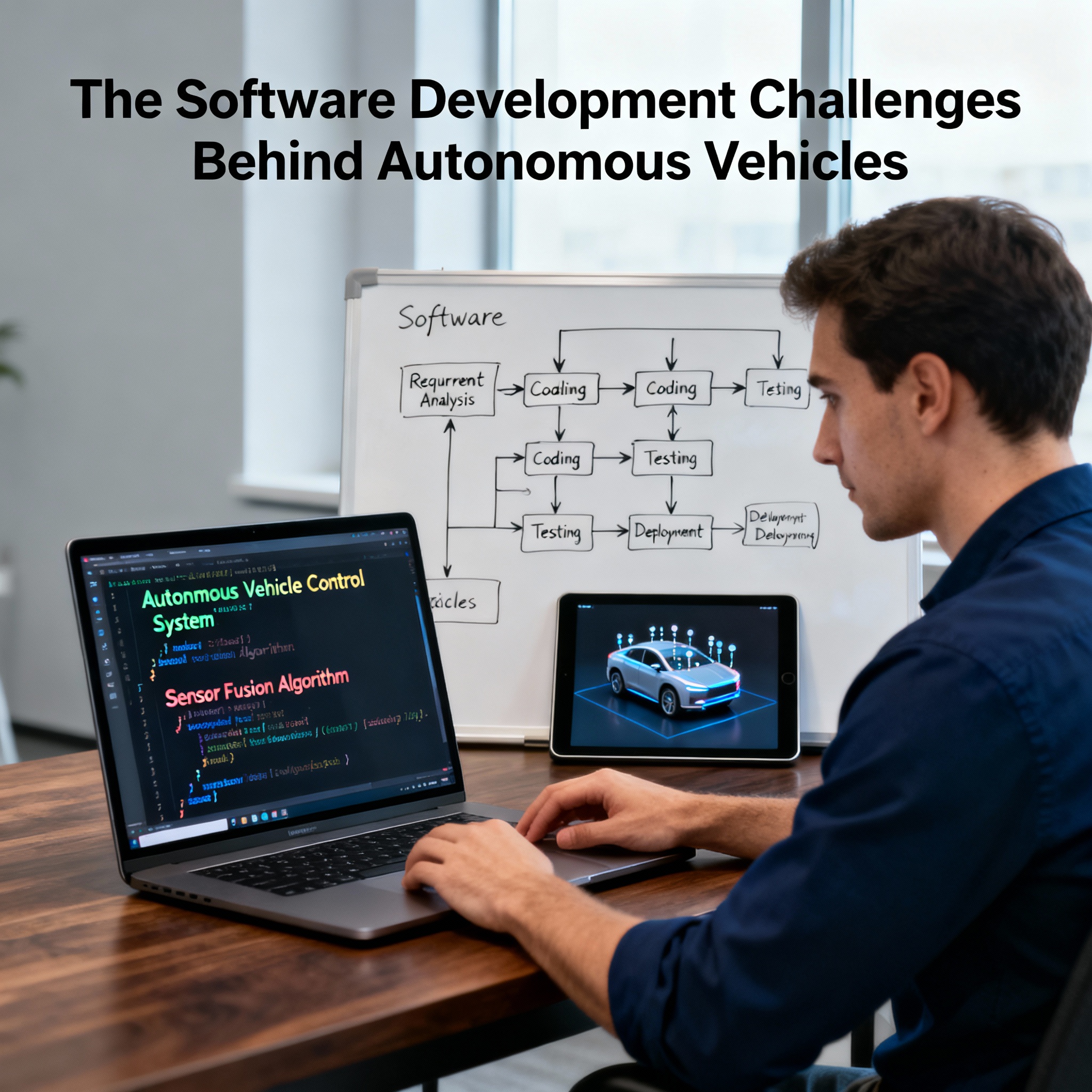
Perhaps the most visible application of AI in the automotive sector is autonomous driving technology. Self-driving vehicles rely on sophisticated machine learning algorithms to process data from multiple sensors, including cameras, lidar, radar, and ultrasonic sensors. These systems must make split-second decisions in complex, dynamic environments while ensuring passenger safety.
Neural networks enable autonomous vehicles to recognize and classify objects in their surroundings, predict the behavior of other road users, and plan optimal paths to their destinations. As these systems accumulate more real-world driving data, they continuously improve their performance through advanced learning techniques.
Key Technologies Powering Autonomous Vehicles
- Computer Vision: Deep learning models process visual data from cameras to identify lanes, traffic signs, pedestrians, and other vehicles
- Sensor Fusion: AI algorithms combine data from multiple sensors to create a comprehensive understanding of the vehicle's environment
- Path Planning: Machine learning systems calculate optimal routes while considering traffic conditions, road rules, and safety constraints
- Decision Making: Advanced AI models make real-time decisions about acceleration, braking, and steering based on environmental conditions
Predictive Maintenance and Vehicle Health Monitoring
AI-powered predictive maintenance systems are transforming how vehicle owners and fleet operators manage maintenance schedules. By analyzing data from vehicle sensors, these systems can predict component failures before they occur, allowing for proactive maintenance that reduces downtime and repair costs.
Machine learning algorithms identify subtle patterns in sensor data that indicate deteriorating component health. This enables maintenance teams to replace parts at optimal times, avoiding both premature replacements and unexpected failures. For commercial fleets, this capability translates to significant cost savings and improved operational efficiency.
The Future of AI in Automotive Software Development
As AI technologies continue to advance, we can expect even more innovative applications in the automotive sector. Future developments may include more sophisticated human-machine interfaces powered by natural language processing, enhanced safety systems that predict and prevent accidents, and fully integrated smart city ecosystems where vehicles communicate seamlessly with infrastructure.
The automotive industry stands at the threshold of an AI-driven transformation that will reshape mobility as we know it. Companies that embrace these technologies and invest in AI-powered software development will be well-positioned to lead in this new era of intelligent transportation.
Conclusion
Artificial intelligence and machine learning are not just enhancing existing automotive technologies—they are fundamentally reimagining what vehicles can do and how they interact with the world. From smarter manufacturing processes to autonomous driving capabilities and predictive maintenance systems, AI is driving innovation across the entire automotive value chain. As these technologies mature and become more widely adopted, we can expect continued transformation that makes vehicles safer, more efficient, and more connected than ever before.